November 13, 2026
Discovering effective methods for remodeling scar tissue is a primary objective in contemporary aesthetic medicine. Among the various modalities available, microneedling has emerged as an exceptionally reliable, minimally invasive procedure for repairing structural tissue damage. By engaging the body’s endogenous healing cascades, this advanced therapy breaks down rigid fibrosis and initiates fresh collagen synthesis. Today, many individuals seek out medical spas to access clinical-grade microneedling technologies under expert supervision. Understanding how mechanical micro-injury prompts dermal remodeling allows patients to select the most appropriate clinical solutions for their aesthetic goals.
Scar formation represents a natural yet structurally disorganized response to dermal injury. Whether caused by cystic acne, surgical trauma, or burns, fibrotic skin often lacks the elasticity, hydration, and smooth contour of uninjured tissue. While traditional surface therapies frequently offer limited benefits for deep structural indentations, targeted percutaneous collagen induction delivers therapeutic effects directly into the deep dermis. Consequently, premier medical spas now utilize automated microneedling platforms to treat complex dermal irregularities, offering noticeable improvements in skin tone, elasticity, and overall structural integrity.
Examining Scarred Tissue
Categorizing Scar Variations
Dermal scarring occurs in diverse configurations depending on the depth and nature of the original trauma. Atrophic scars, predominantly caused by severe acne, manifest as sunken depressions categorized into ice pick, boxcar, and rolling varieties. Hypertrophic scars, in contrast, present as raised, thickened formations confined within original wound margins, whereas keloids proliferate aggressively beyond initial injury borders. Because every scar exhibits distinct cellular density and vascularity, visiting reputable medical spas ensures an accurate assessment prior to selecting a treatment protocol.
Surgical incisions create distinct linear scars that can widen, thicken, or develop hyperpigmentation across healing margins. Traumatic injuries and severe burns may produce restrictive contractures that compromise tissue flexibility and disrupt baseline dermal architecture. Because each category responds uniquely to mechanical micro-injury, clinicians must evaluate the depth of fibrosis accurately. Expertly trained practitioners at medical spas assess these physical nuances to customize needle penetration depths, ensuring safe and predictable outcomes across diverse presentations.
Evaluating Psychological Impact
Dermal scarring carries significant emotional, psychological, and social ramifications that extend far beyond physical appearance. Facial scarring often induces acute self-consciousness, contributing to heightened social anxiety, diminished self-esteem, and avoidance behaviors in professional settings. For many patients, scars serve as permanent physical reminders of past illnesses, accidents, or emotional distress. Seeking corrective care at modern medical spas empowers individuals to reclaim self-assurance through visible dermal restoration.
From a functional perspective, extensive scar contractures and thickened fibrous bands can reduce tissue pliability, creating localized tightness or discomfort. Hyperpigmentation within scarred zones further accentuates textural inconsistencies, causing persistent distress under standard lighting conditions. By systematically softening dense fibrosis and restoring balanced pigmentation, clinical microneedling delivers both cosmetic rejuvenation and tangible psychological relief, helping patients move forward with renewed confidence.
Investigating Microneedling Mechanisms
Initiating Mechanical Perforation
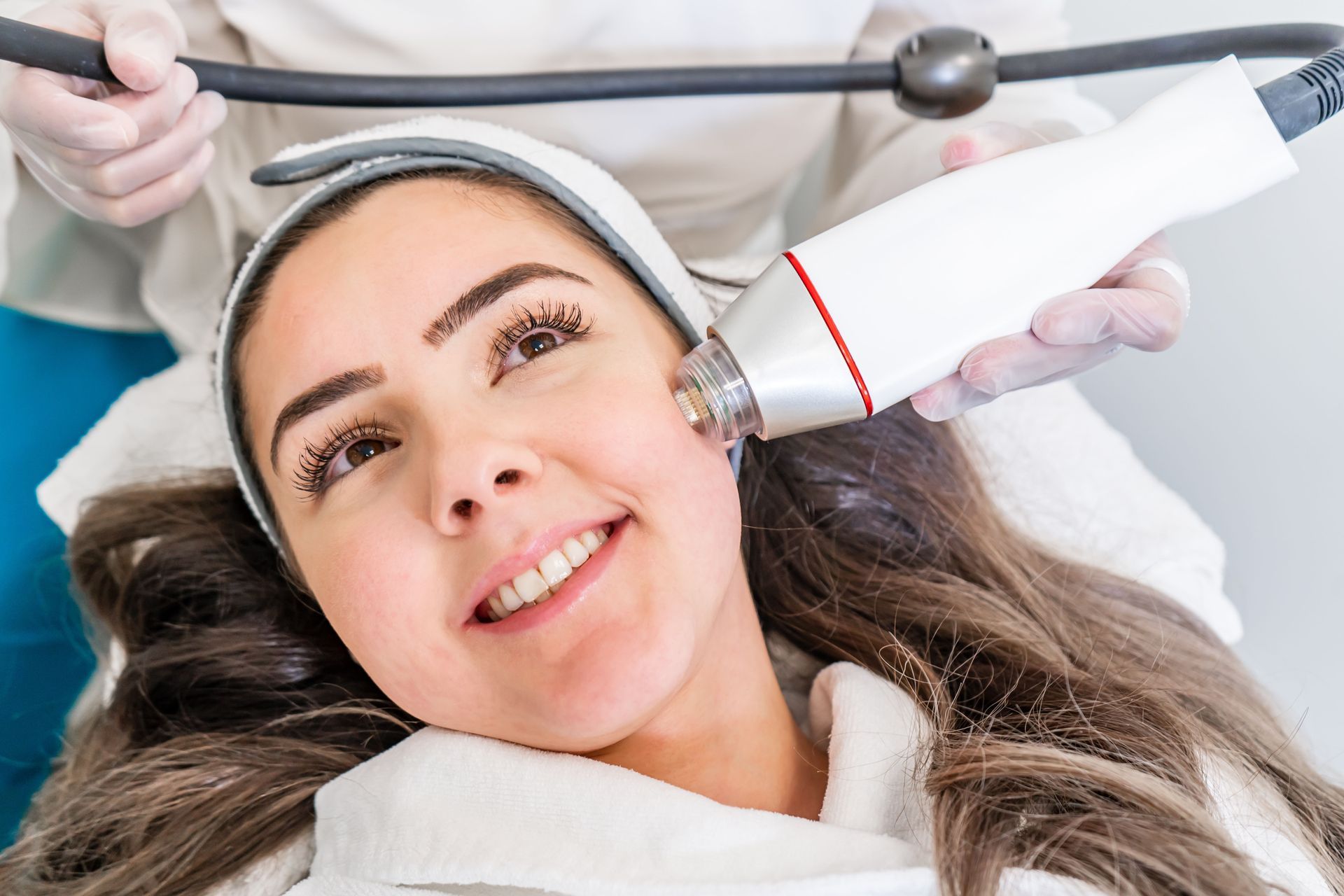
Microneedling functions by stamping high-precision, medical-grade micro-needles into the skin, generating thousands of microscopic vertical channels. These controlled micro-injuries bypass the outer stratum corneum without stripping protective barrier layers, directly engaging the underlying dermal fibroblast populations. This process stimulates the body's natural wound-healing cascade, promoting cellular turnover and matrix remodeling without causing permanent trauma. Many modern medical spas utilize automated pens that feature adjustable needle lengths to target varying tissue depths.
These microscopic punctures initiate a three-phase physiological cascade: inflammation, tissue proliferation, and structural remodeling. Immediately following puncture, platelets release vital growth factors that stimulate fibroblasts to synthesize organized, healthy connective tissue. By replacing rigid, unidirectional scar fibers with a flexible extracellular matrix, the procedure steadily smooths uneven skin surfaces. The controlled mechanical approach practiced at medical spas ensures optimal structural rejuvenation while protecting surrounding epidermal health.
Stimulating Collagen Induction
At the center of microneedling efficacy is percutaneous collagen induction therapy, an intrinsic process that restores depleted structural proteins. Collagen provides essential structural support, tensile strength, and firm elasticity throughout healthy dermal layers. When mechanical needles reach targeted depths, they prompt fibroblasts to synthesize fresh pro-collagen, which gradually matures into a stable type I collagen matrix. This cellular response helps fill indented atrophic scars from beneath the surface.
Simultaneously, the release of transforming growth factors promotes balanced tissue maturation rather than chaotic, fibrotic repair. The newly laid collagen integrates harmoniously into existing extracellular matrices, softening deep depressions and restoring natural structural resilience. By avoiding thermal destruction, clinical providers at medical spas achieve consistent, long-term tissue remodeling that continues to refine skin texture for several months following each treatment session.
Enhancing Clinical Outcomes
The cellular regeneration driven by increased collagen synthesis delivers profound improvements across multiple skin layers. Beyond lifting indented scar tissue, enhanced collagen deposition increases dermal thickness, diminishes fine lines, and restores firmness. According to Aesthetic Marketing, clinical studies consistently show that microneedling reduces acne scar depth by 50% to 70% after just three to five treatment sessions. This high clinical efficacy makes the procedure a cornerstone offering across top medical spas.
In addition to structural lifting, this regenerative cascade normalizes localized microcirculation and promotes balanced melanin distribution. Cellular turnover systematically clears residual post-inflammatory erythema and hyperpigmented marks that typically accompany healed acne lesions. As tissue density improves, the skin develops better moisture retention and overall defense against environmental stressors. This combined structural and pigmentary restoration explains why professional microneedling remains widely requested among medical spas worldwide.
Undergoing Clinical Treatments
Preparing Treatment Areas
Achieving superior results requires meticulous preparation prior to arriving for a clinical appointment. During the initial consultation, an experienced clinician evaluates scar severity, reviews medical history, and confirms patient candidacy. Patients must discontinue active retinoids, exfoliating acids, and photosensitizing topical agents several days in advance to minimize unnecessary irritation. Practitioners at medical spas also emphasize strict sun avoidance to keep the skin calm and stable prior to the procedure.
Optimizing skin hydration in the weeks leading up to the session supports swift tissue recovery and robust cellular responsiveness. Practitioners ensure that patients are free of active skin infections, open lesions, or cystic breakouts, which could spread bacteria during needling. By adhering to thorough pre-treatment guidelines established by top-tier medical spas, clients protect their skin barrier and maximize the restorative benefits of their upcoming session.
Administering Professional Treatments
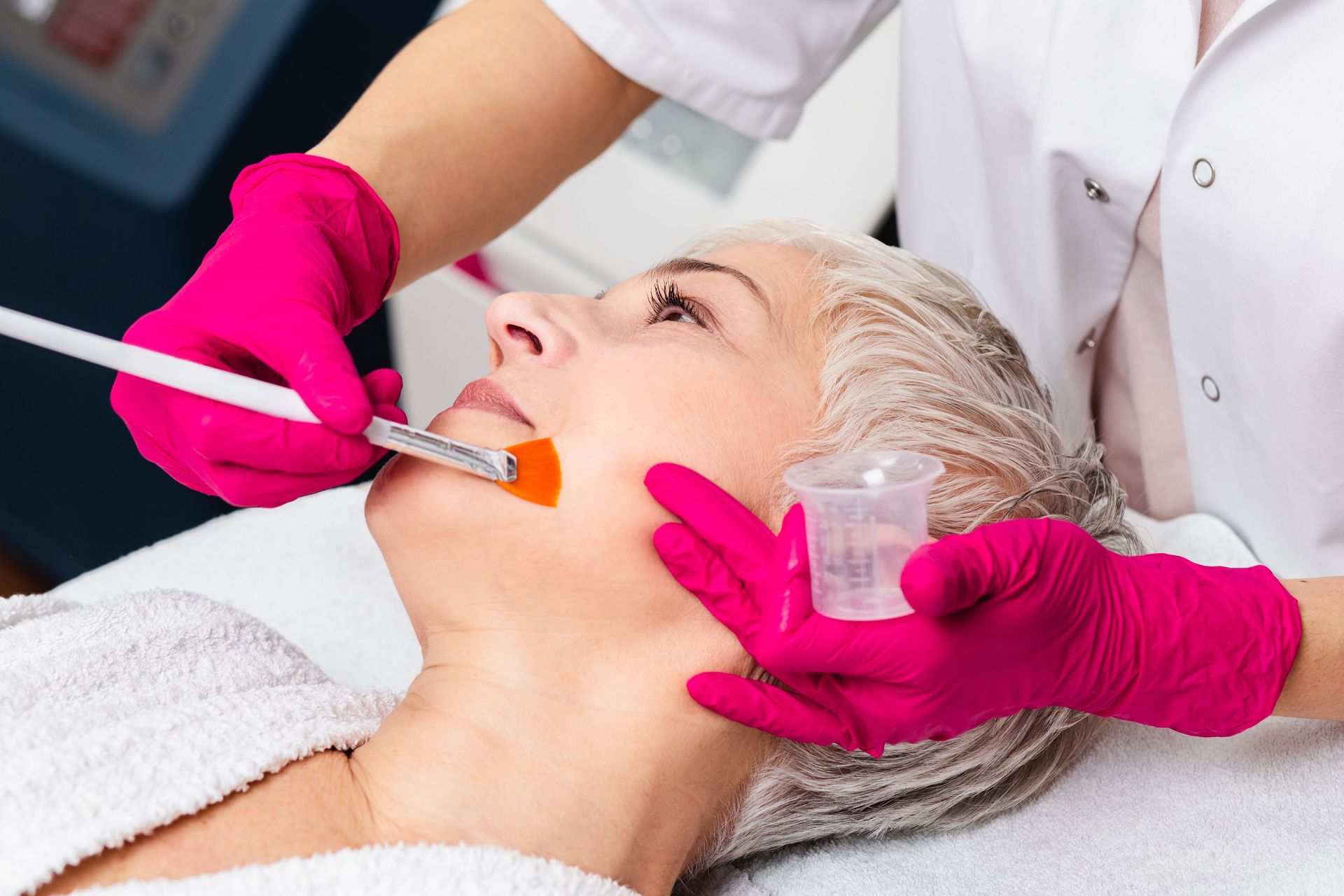
A clinical microneedling appointment begins with rigorous skin disinfection, followed by the application of a high-strength topical anesthetic. Numbing typically takes twenty to thirty minutes, ensuring complete comfort throughout the procedure. Once the skin is fully desensitized, the clinician applies an advanced lubricating glide, often formulated with pure hyaluronic acid, allowing the sterile needle cartridge to pass smoothly over facial contours.
Scheduling Progressive Regimens
Because natural collagen synthesis and matrix remodeling require time, visible scar reduction unfolds progressively over several months. While minor improvements in radiance and hydration appear within weeks, meaningful structural revision demands multiple structured appointments. Most clinicians recommend a series of three to six sessions, scheduled four to six weeks apart, to allow sufficient time for cellular regeneration between visits.
Over the course of a comprehensive treatment plan, patients experience steady flattening of scar edges, filling of depressions, and refinement of overall skin texture. Long-term tissue remodeling continues long after the final appointment as new collagen fibers strengthen and crosslink within the dermis. Seeking guidance from seasoned clinicians at professional medical spas ensures appropriate session spacing, personalized settings, and optimal long-term results for even stubborn scar tissue.
Professional microneedling provides an advanced, scientifically validated pathway for remodeling deep, scarred tissue and restoring balanced skin architecture. By activating natural wound-healing cascades without relying on excessive thermal energy, this minimally invasive modality consistently outperforms traditional surface treatments for structural revision. Whether resolving persistent acne indentations, surgical lines, or trauma-induced fibrosis, receiving care at reputable medical spas ensures precision, patient safety, and transformative dermal improvements that restore long-term skin health and confidence. Call Confidently Beautiful Aesthetics today to learn more.